
← Back
Talent Management3 min read21 October 2026

Psychometric Assessment Beyond Hiring: Uses Across the Employee Lifecycle

How UAE employers use psychometric assessment beyond hiring, in development, team building, leadership and succession, and the limits to respect.

Most organisations first meet psychometric tools in hiring. That is still where they are used most. But the bigger change in recent years is what happens after someone joins: the same insight can support development, team building, leadership and succession, giving HR a consistent language for how people think and work.

Our guide to personality assessment in hiring covers that stage. This article looks at everything else.

What has made wider use practical

Psychometric testing is not new. What has changed is how easily it can be applied.

Assessments moved online. People complete them remotely, reports arrive quickly, and the cost and logistics that once limited testing to senior appointments have largely gone.

Comparison groups improved. A score only means something against a relevant reference group. Established publishers now offer more norm groups and language versions, which matters for a workforce drawn from many countries.

Decisions became more evidence-based. HR is increasingly asked to justify recommendations, and structured assessment data leaves a much clearer trail than "they felt like the right fit".
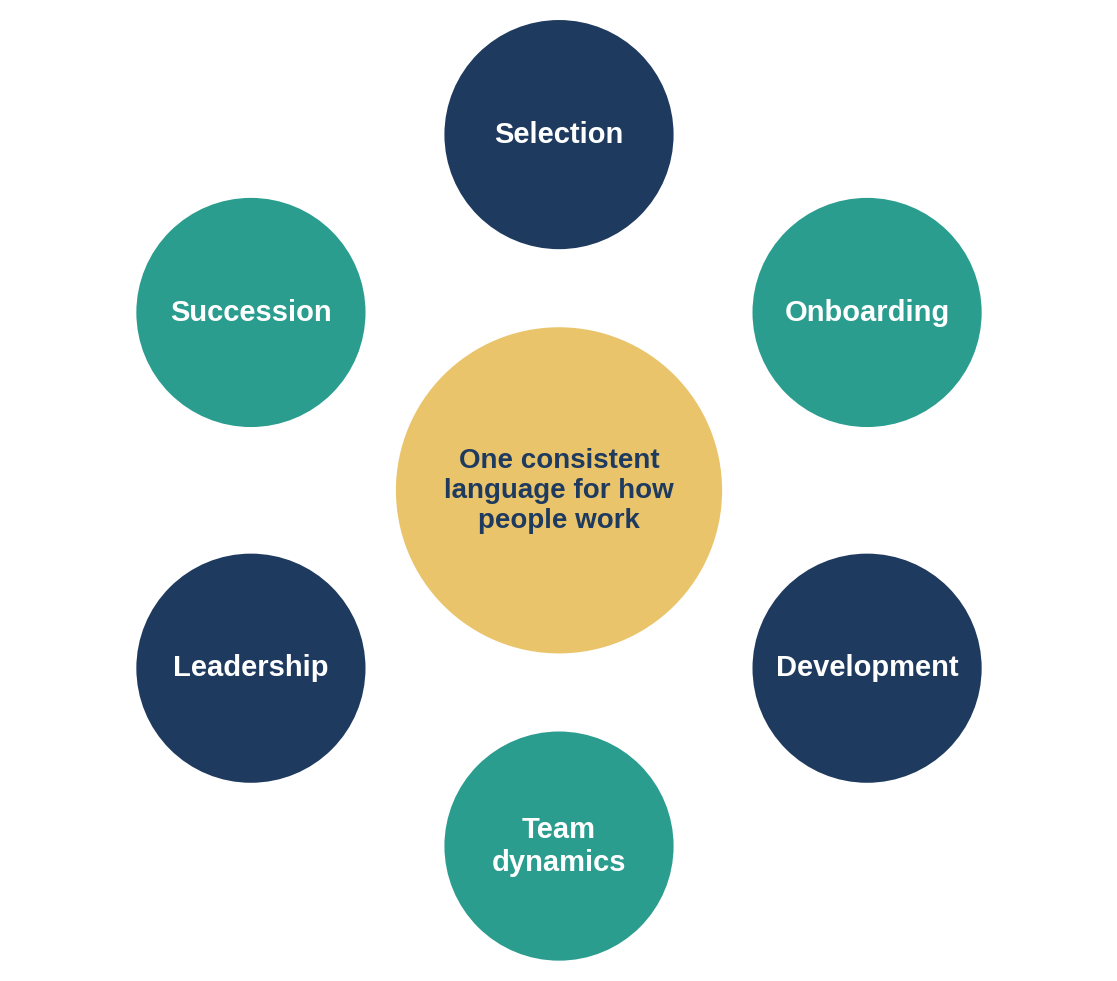
Five uses after hiring

Where psychometric insight is used after hiring

The same assessment insight can follow an employee through their career

Onboarding. A new joiner's report helps their manager understand how they prefer to communicate, take decisions and receive feedback, which shortens the settling-in period.

Development. A work-style report gives an employee and their manager or coach a shared vocabulary for strengths and blind spots. It replaces vague advice ("be more strategic") with something specific, such as how the person handles uncertainty or competing demands.

Team dynamics. Looking across a team's profiles shows where preferences cluster and where something is missing. A project team where almost everyone prefers quick decisions may need someone who stops to examine the risks. The aim is balance, not labels.

Leadership. For leadership roles, psychometrics usually form one part of a wider process with interviews, simulations and 360-degree feedback. A role play or in-tray exercise captures behaviour as it happens; a questionnaire adds habitual preferences.

Succession. Psychometric evidence can help separate strong current performance from capacity to grow into a larger role. It should inform a talent review discussion, never replace it.

Rules that do not change

RuleWhy it matters
Relevance firstEvery scale should link to something the role or development goal needs
Validated tools onlyAsk for evidence of reliability and validity; free online "types" have no place in decisions
Fair across languages and culturesCheck language versions, norm groups and published research on group differences
Never the only evidenceOne score should not settle a hiring, promotion or succession decision
Not clinicalWorkplace tools describe abilities and preferences, not mental health
Consent and clarityTell people why they are assessed, who sees results and how long they are kept

Results are personal data and employment decisions are covered by anti-discrimination rules.

Getting started

Pick one use, such as a leadership development programme, rather than rolling out everywhere at once. Train the people who will interpret reports and give feedback. Give every participant feedback on their own results, and after one cycle, review whether the assessments are leading to better conversations and decisions.

How Humatix can help

Humatix helps UAE organisations select and use psychometric assessments for development, team and leadership decisions and brings results together with interviews and other assessment methods.

Note: legal or tax advice should be sought on the legal and tax matters referred to in this article, as requirements vary by jurisdiction and change over time.