The two protect against different risks: one against disruption, the other against a shortage of capable leaders. The best approach treats the cover list as one layer within the wider succession plan.
UAE factors that shape the plan
Expatriate mobility. Senior people may relocate for family or career reasons with little notice. A single named successor for an important role is a risk in itself.
Roles that keep changing. As businesses enter new markets or set up new entities, roles evolve. The successor to today's job may not suit the version that exists in two years.
Emiratisation. Many private-sector employers are committed, or required, to develop UAE nationals, and a succession process gives that work structure and visibility.
Founder-led and family businesses. Where decisions sit with a small group, the bench behind them is often thin and informal.
Five building blocks
1. Identify critical roles
Start with roles, not people. A role is critical when a vacancy or weak performance would seriously affect strategy, revenue, compliance or operations, and when it would be hard to hire for. Some critical roles sit well below the executive team, such as a specialist engineer whose know-how has never been written down.
2. Define what each role will need
Describe the capabilities each critical role will require over the planning horizon, not just today. A competency framework gives everyone a common language; without one, views on successors tend to favour whoever senior leaders see most often.
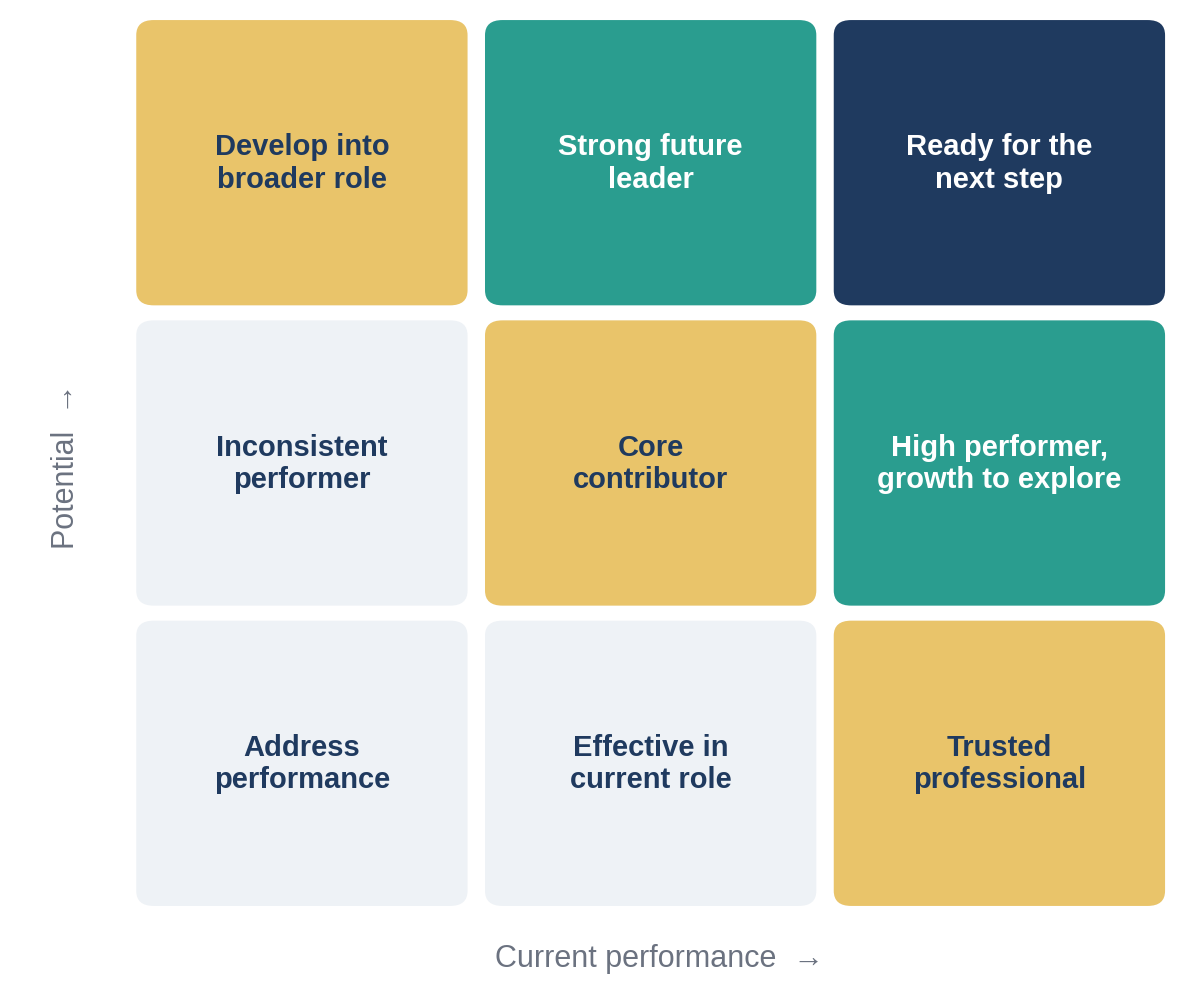
3. Assess readiness and potential separately
Readiness is about timing: could this person do the role well now, in one to two years, or in three or more? Potential is about how far they could grow. Strong results in a current role are not proof of high potential.